Reconsidering Your Future: When Engagement Expectations Don’t Align
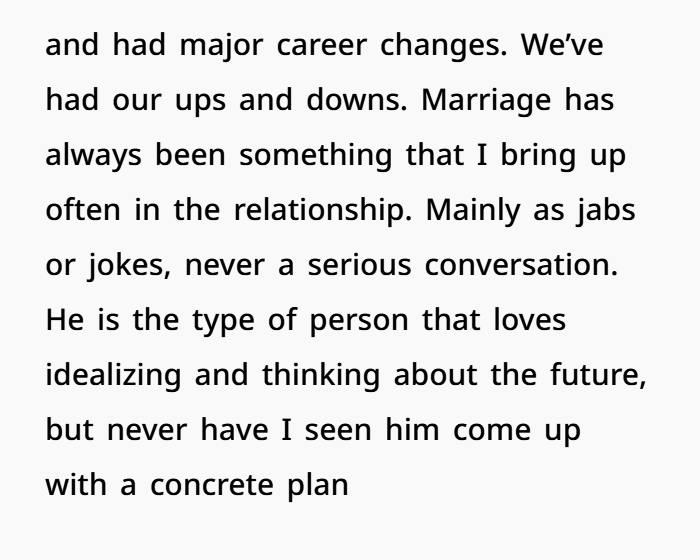
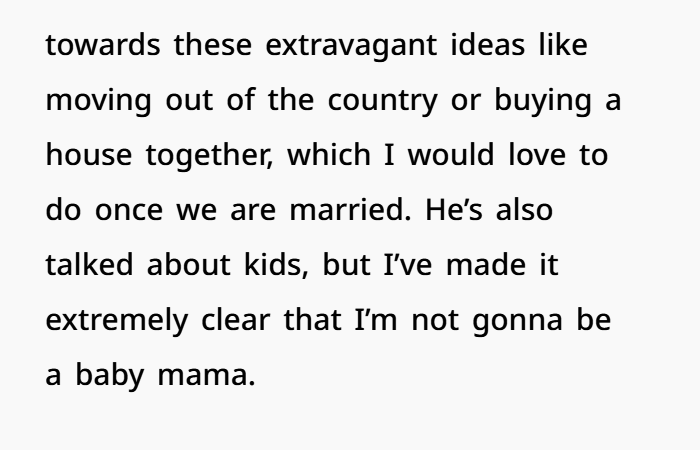
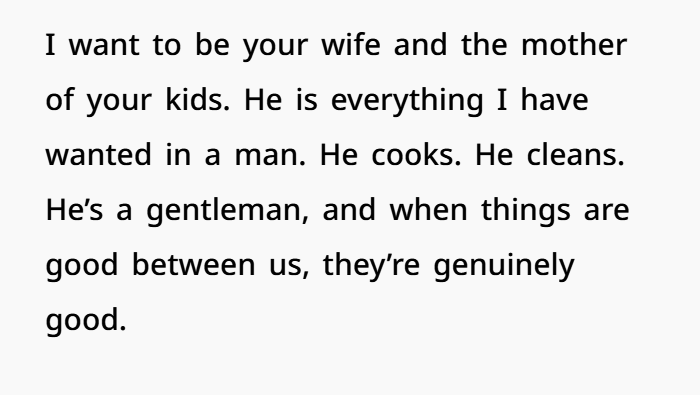
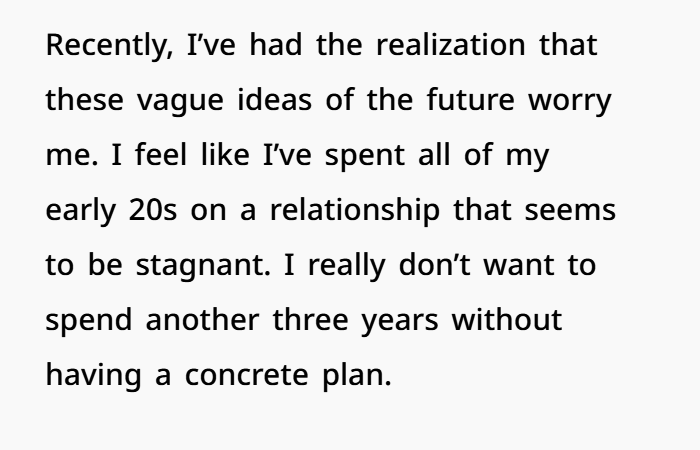
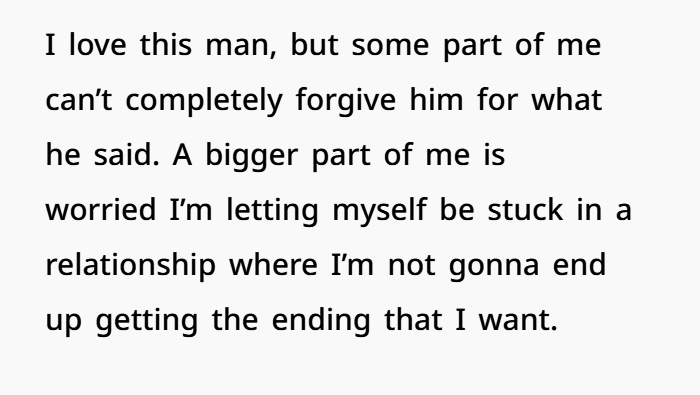
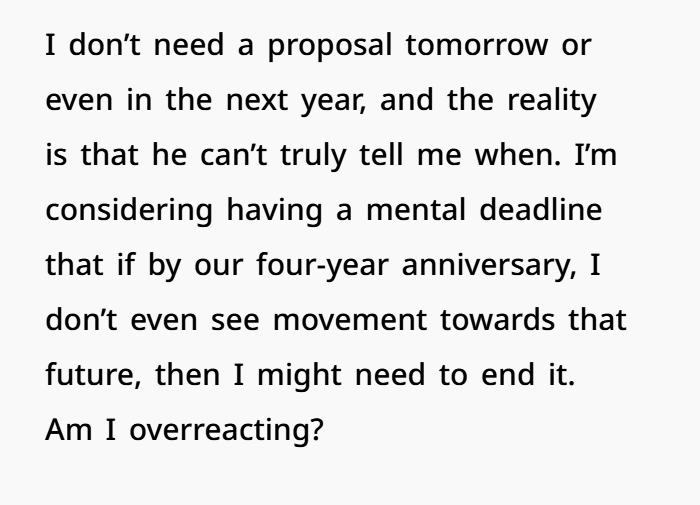
A 26-year-old woman finds herself at a crossroads after her boyfriend made a hurtful comment regarding marriage. After nearly four years together, they have built a life filled with shared experiences—cohabitation, pet ownership, travel, and mutual support through life’s challenges. While her partner demonstrates care and dependability, she worries that their discussions about marriage remain merely theoretical rather than progressing toward concrete action.
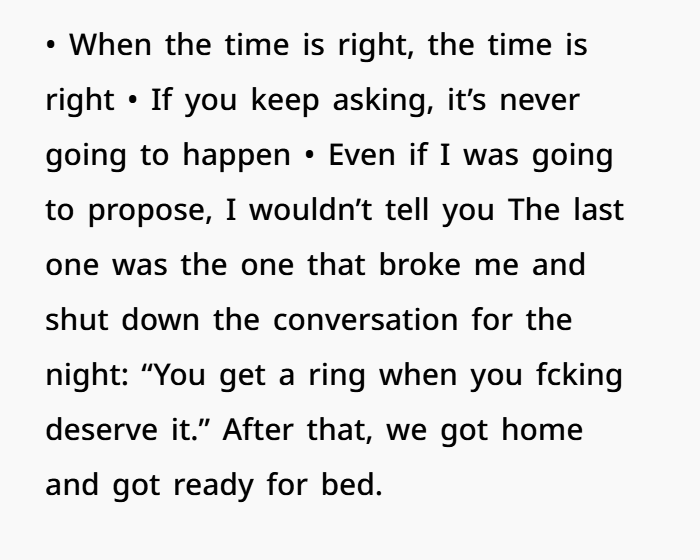
Throughout their relationship, she has expressed her desire for marriage using humor and casual remarks. When she finally initiated a serious conversation to determine if he genuinely wanted to marry her, his response left her feeling wounded. He stated she would receive a ring when she “deserved it,” a comment that prompted her to reconsider how he perceives her value within their relationship.
Later, during another conversation, she clarified that she was not demanding an immediate proposal. Her actual goal was to understand whether they were pursuing the same future direction. Her boyfriend acknowledged the pain his words caused and apologized. He explained that while marriage is something he envisions eventually, he is not prepared to prioritize it currently due to financial concerns, household management issues, and unresolved relationship matters.
She now faces a challenging decision about her path forward. Although she cares deeply for her partner, she also recognizes the importance of compatibility in life goals and mutual expectations. Meaningful partnerships require genuine communication, reliability, and alignment on future plans.



Understanding Relationship Expectations and Personal Goals
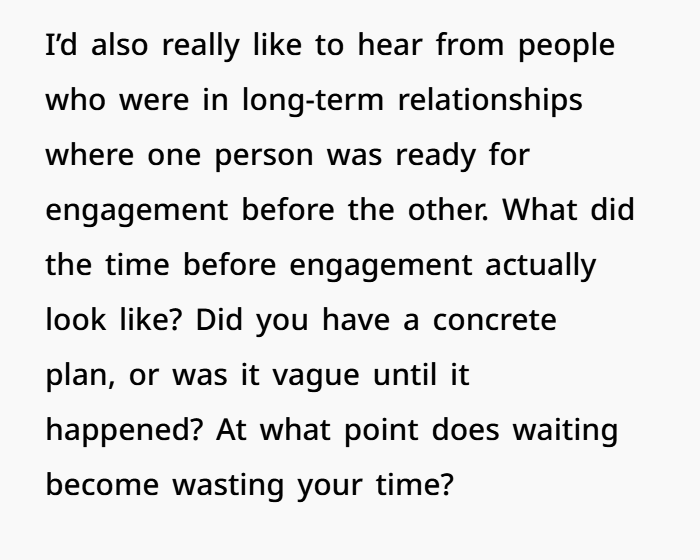
Relationships develop according to each couple’s unique circumstances and needs. Some partnerships lead to engagements within a short period, whereas others require several years of commitment before such decisions emerge. Conflicts frequently arise when partners have contrasting ideas regarding when significant relationship moments should occur.
The core challenge often extends beyond simply timing an engagement. The deeper question involves whether both individuals truly understand and respect each other’s values, aspirations, and vision for their shared life.
Distinguishing Between Personal Plans and Fixed Limits
When discussing marriage within a relationship, it becomes crucial to recognize the distinction between a personal plan and an absolute limit.
A relationship plan represents dialogue surrounding future aspirations. It offers partners an opportunity to describe their vision for the relationship’s direction and what joint endeavors they wish to undertake.
A personal limit reflects an individual’s internal threshold. This threshold might originate from psychological needs, personal objectives, or specific desires regarding romantic partnership longevity.
Successful relationships typically feature open discussions about these factors, rather than presuming identical desires between partners.
Managing the Discomfort of Unclear Futures
Extended partnerships can bring considerable joy, though uncertainty about what comes next can introduce anxiety.
Problems intensify when one partner feels prepared for marriage while the other expresses hesitation. The partner anticipating commitment may experience emotional turbulence during this waiting phase, leading to questions about whether their visions for tomorrow truly overlap.
True partnership is demonstrated not only through declarations or affection but also through meaningful discussions addressing critical subjects such as:
- Marriage aspirations
- Monetary considerations
- Home and living preferences
- Intentions regarding children
- Long-term duties and expectations
These dialogues enable partners to develop mutual understanding and connection.
The Value of Thoughtful Dialogue
Challenging discussions represent ordinary occurrences within partnerships. Nevertheless, the manner in which couples navigate these conversations carries significant weight.
Remarks made during heated exchanges can leave lasting impressions. When language suggests that affection, esteem, or dedication must be purchased or earned, it inflicts emotional harm.
Partnerships built on solid ground typically emphasize reciprocal consideration, with each individual feeling appreciated and encouraged.
Misspoken comments during emotional exchanges are commonplace. The critical factor centers on whether both individuals remain receptive to hearing one another, offering sincere apologies, and pursuing enhanced connection.
Recognizing Varying Perspectives on Matrimony
People maintain distinctly different viewpoints regarding matrimony. Certain individuals want to achieve particular accomplishments first, including economic prosperity, professional advancement, or individual maturation.
Others feel prepared to marry much earlier because they already possess certainty about desiring permanent commitment with their current partner.
Each perspective carries validity. The crucial element involves ensuring both individuals comprehend each other’s requirements.
Difficulties emerge when one individual perceives matrimony as a definite life objective while another treats it as a distant possibility without clear parameters.
Solutions for Managing Divergent Perspectives
Numerous couples navigate competing viewpoints on proposals and matrimony successfully through straightforward exchanges.
Worthwhile considerations include:
- Are we equally interested in marriage eventually?
- What does dedication mean to each of us individually?
- Do any obstacles prevent our advancement?
- Which directions might we pursue collectively?
These discussions foster greater comfort and diminish miscommunication.
Handling Extended Periods of Uncertainty
Anticipating a proposal or commitment decision can prove emotionally taxing when both partners lack clarity regarding their intentions.
A person might experience disappointment if unsure whether their companion genuinely intends to establish a partnership with them.
Conversely, many individuals require additional time prior to embracing substantial commitments. They might need further emotional, monetary, or psychological readiness.
Clear honesty from both parties about their preferences and relationship trajectory represents the most fundamental requirement.
Key Comments Worth Considering


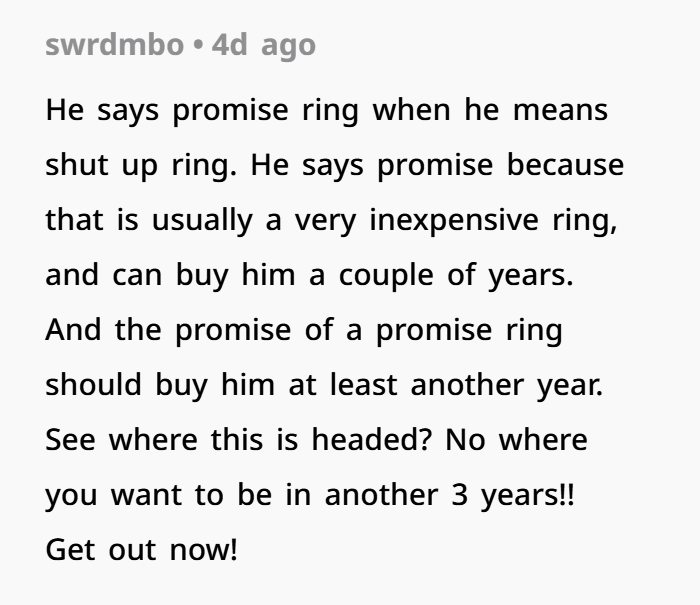
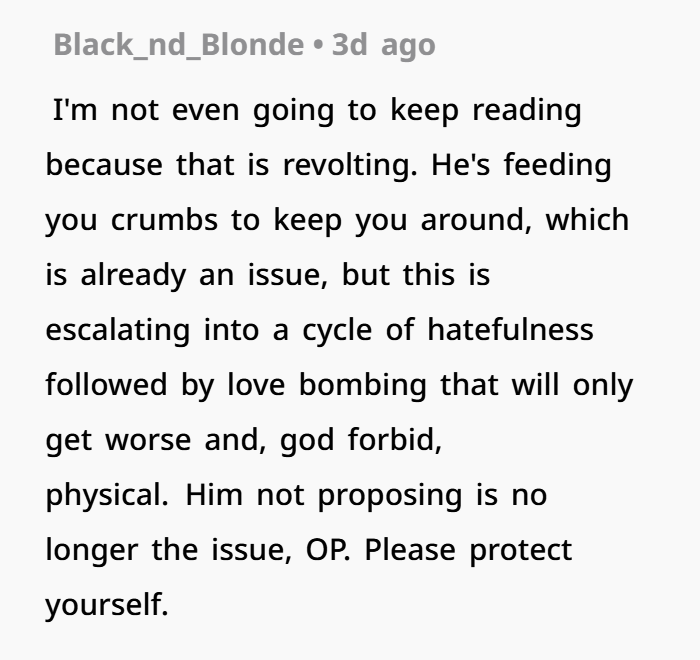



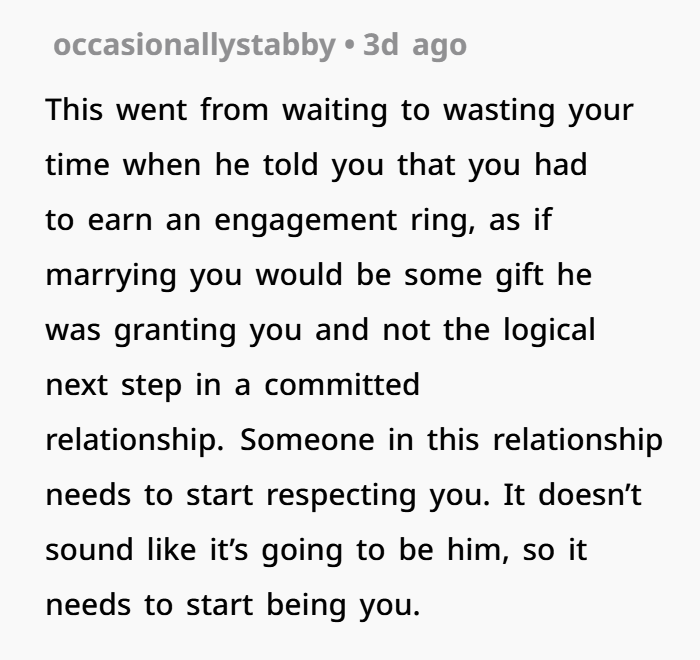
Relationships follow individualized schedules. There remains no universal standard dictating when couples should move toward engagement or marriage.
The essential element transcends simply when someone proposes. It encompasses whether partners collaborate on deliberate choices and advance toward a vision they share.
Resilient relationships emerge from transparent dialogue, confidence, and reciprocal appreciation. Through frank conversations about their aspirations and what matters to each of them, couples develop superior circumstances for establishing connections that endure and flourish long-term.