My Friend Kept Promising Strangers Rides in My Car, So I Finally Said No
Being the sober driver in a friend group is usually a quiet, thankless job. You skip the drinks, keep your keys ready, and make sure everyone gets home safe. Most people who take on that role do it happily. But what happens when one friend starts treating your car like a free taxi service for people he just met? That’s exactly what happened to one Reddit user, who shared how a friend kept volunteering his car, his fuel, and his late nights to total strangers without ever asking him.
It went on for weeks until one night, when three women were about to book an Uber and his friend told them to cancel it. The driver refused, the friend felt humiliated, and now the group is divided. So who crossed the line here?


The Designated Driver Nobody Thanked
I don’t drink, so I’ve always been the one who drives when my friends go out. I actually like doing it. There’s something good about knowing everyone got home safe at the end of the night.
My friends know they can count on me, and I’ve never complained about taking them home, even when it meant a long drive back.
When the Rides Stopped Being for Friends
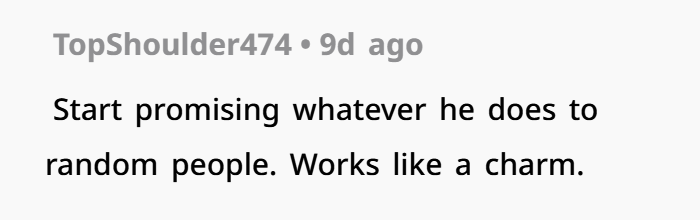
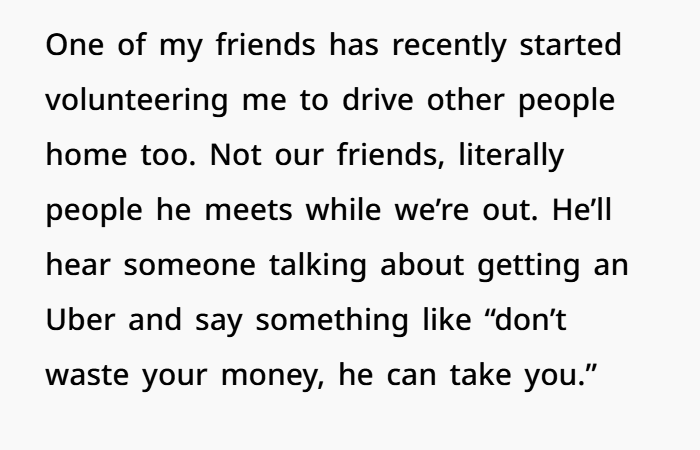
The trouble started with one friend. I’ll call him Ryan. Ryan is the social type. He talks to everyone at the bar, and somewhere along the way he started ending those conversations with the same line: “Don’t worry about getting home, my buddy will drive you.”
He never checked with me first. I’d walk out to my car and find people I’d never met waiting next to it.
Why I Kept Quiet at First
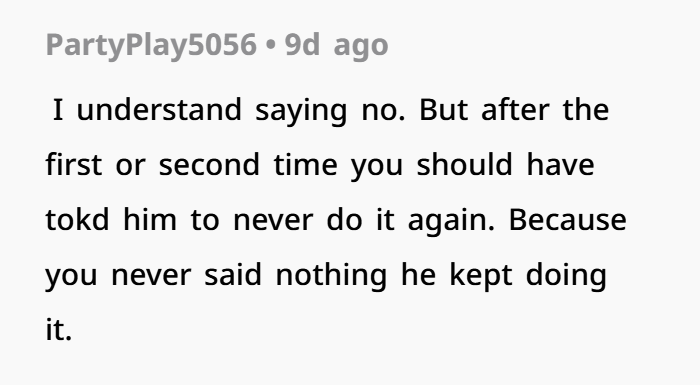
The first few times, I just went along with it. Saying no in front of strangers felt rude, and I didn’t want to make a scene.
But it kept happening. One extra stop turned into two, then three. Some of these people lived on the other side of town. I was spending my own money on gas, getting home hours later than planned, and driving people I didn’t know at two in the morning.
I started dreading the end of every night out.
The Night I Finally Said No
Last weekend, it all came to a head.
Three women were standing outside the bar with their phones out, about to book an Uber. Ryan walked up and told them to cancel it because I would take them home.
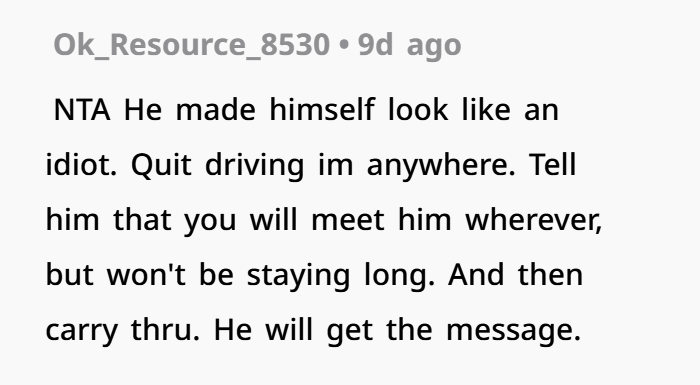
I looked at him and said no. I told them I was heading straight home.
Ryan couldn’t believe it. “You’re really going to make them pay for an Uber when you’re already driving?” he asked.
I told him he was the one who made the promise without asking me, so it wasn’t my job to keep it.
The Fallout
The women booked their Uber and left. They were completely fine.
Ryan was not. He barely said a word to me the rest of the night, and now he’s telling people I embarrassed him in front of those girls.
I don’t feel like I did anything wrong. I’m always happy to drive my friends. But my car, my gas, and my time aren’t his to hand out to impress people he just met.
Why This Story Hits Home for So Many People
Almost everyone has been in a version of this situation. Someone offers your help, your money, or your time as if it were theirs to give, and you’re left looking like the bad guy if you refuse.
The driver’s point is simple: a favor you choose to give is kindness, but a favor someone else promises on your behalf is pressure. Being generous with your friends doesn’t mean you’ve agreed to be generous with everyone they meet.
So, Was He Wrong?
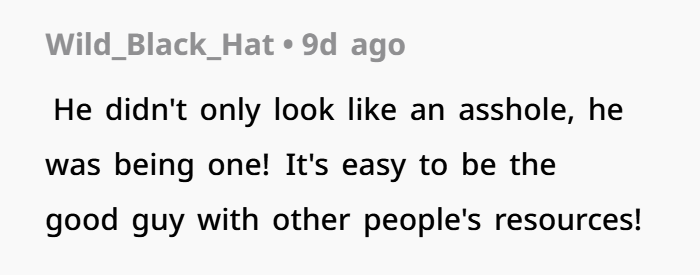
Some people will say he could have given the ride just this once, since he was already driving. Others will say Ryan created the problem and should have faced the embarrassment himself.
What do you think? Was the driver right to refuse, or should he have done it one last time and talked to Ryan later?
Final Thoughts
This story isn’t really about a car ride. It’s about what happens when someone treats your kindness as something they’re allowed to give away. The driver never refused to help his friends. He only refused to let someone else make promises with his time, his fuel, and his late nights.
Ryan may have felt embarrassed in the moment, but that embarrassment came from a promise he had no right to make. A quick question like “Are you okay taking them home?” would have avoided the whole situation.
Being the reliable friend should never mean losing the right to say no. Helping people works best when it’s a choice, not an expectation someone else sets for you. And sometimes, protecting that choice means disappointing a friend so you don’t keep quietly resenting him.
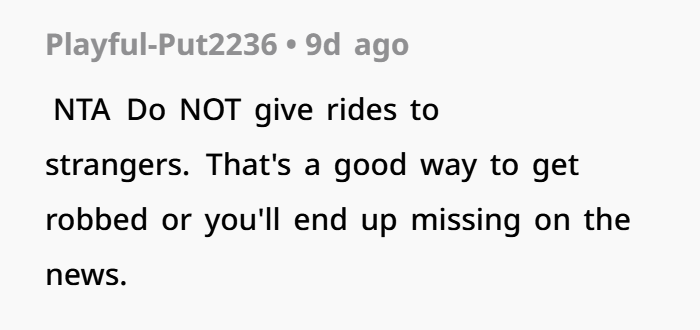
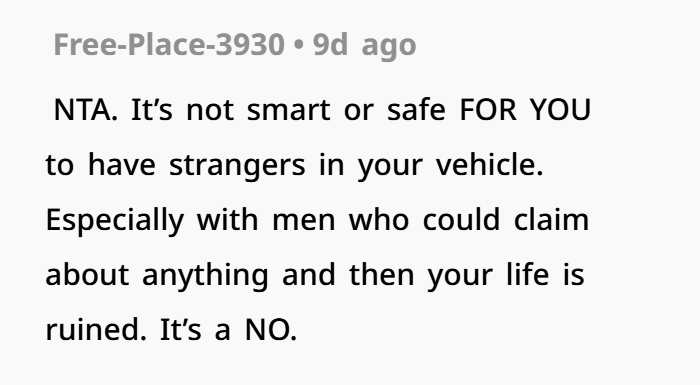
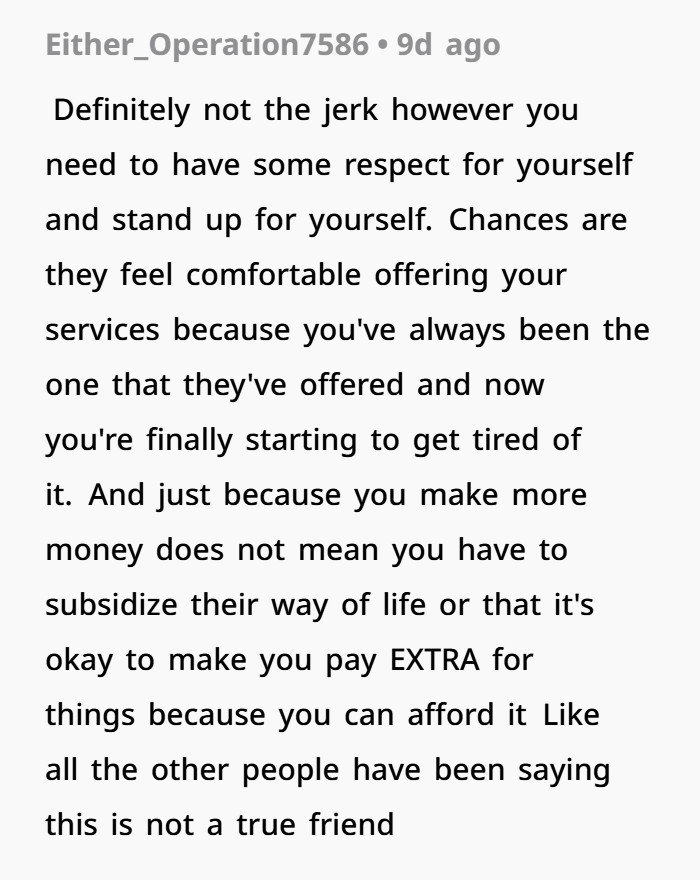
The Comments Are In