When Your Partner Won’t Commit: Understanding Relationship Timelines and Marriage Readiness
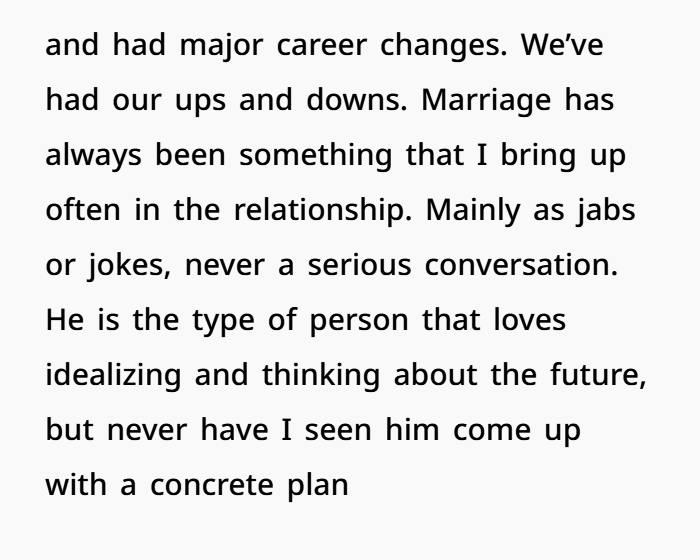
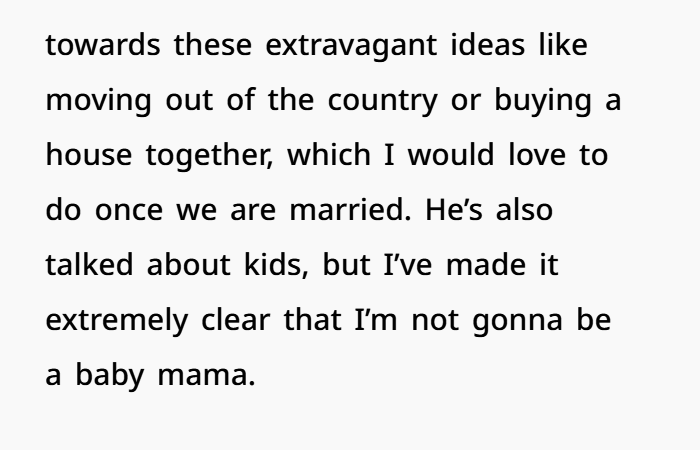
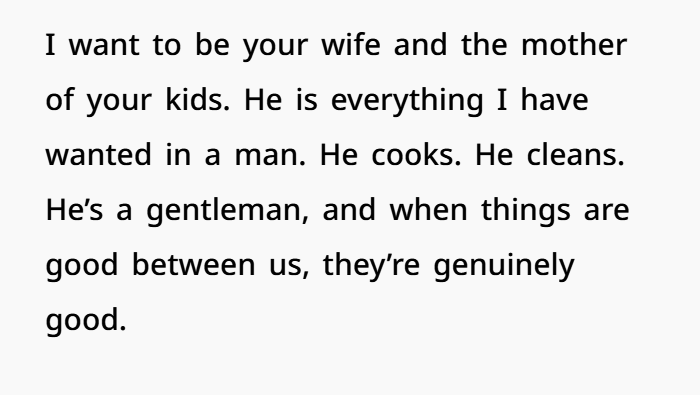
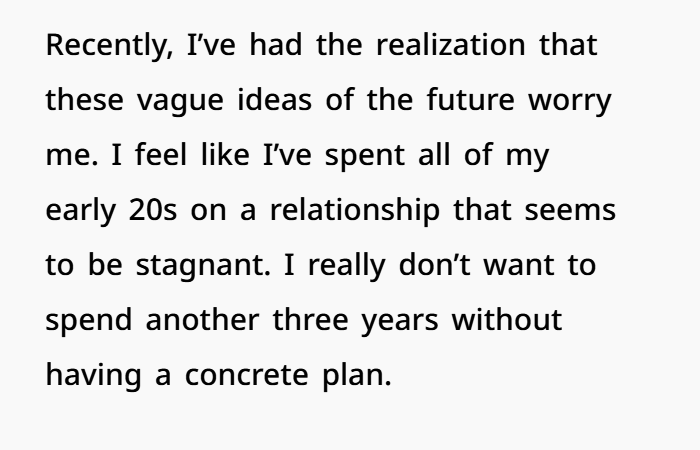
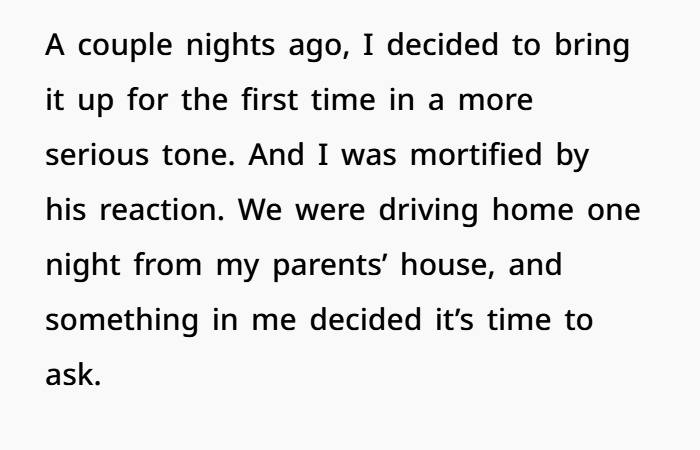
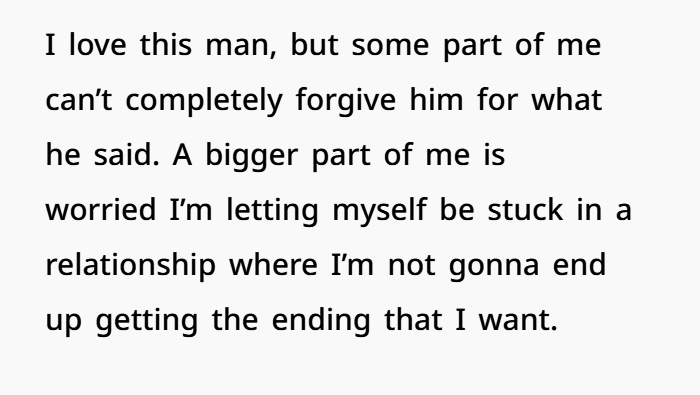
A 26-year-old woman finds herself reconsidering her relationship after an uncomfortable exchange with her 32-year-old boyfriend regarding their future together. The couple has spent nearly four years building a life—cohabiting, adopting a pet, exploring the world, and navigating life’s challenges side by side. While she appreciates his affectionate nature and dependability, she worries that discussions about their future remain theoretical rather than actionable.
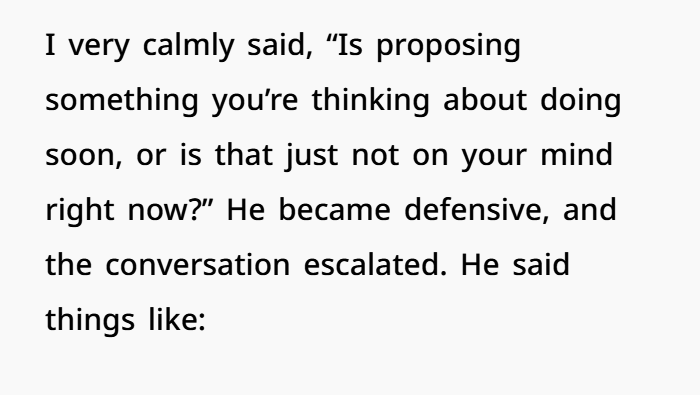
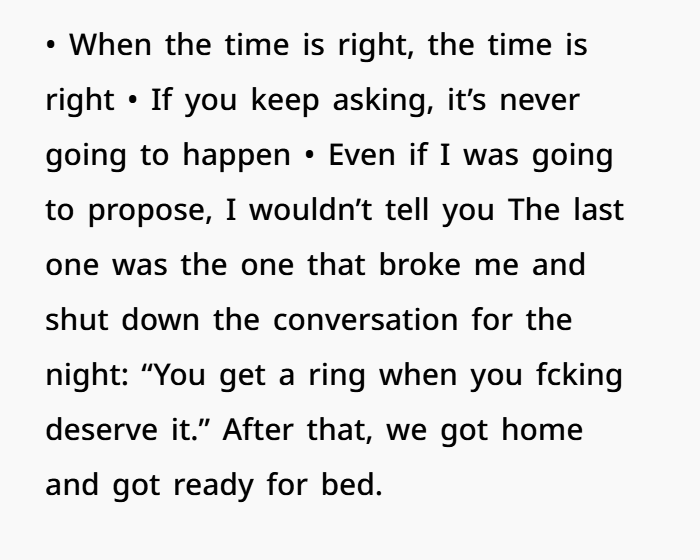
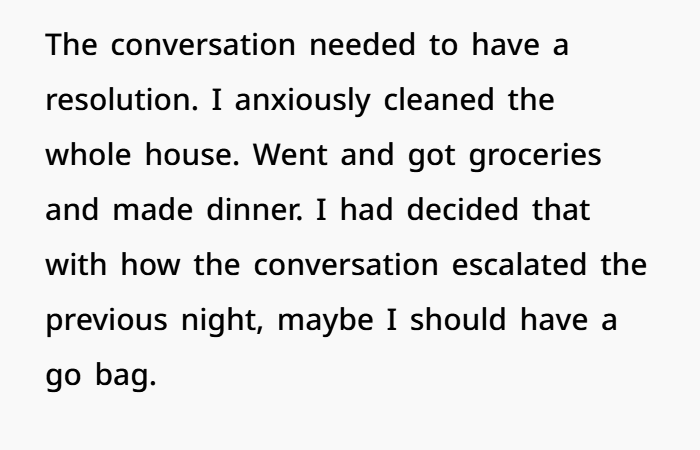
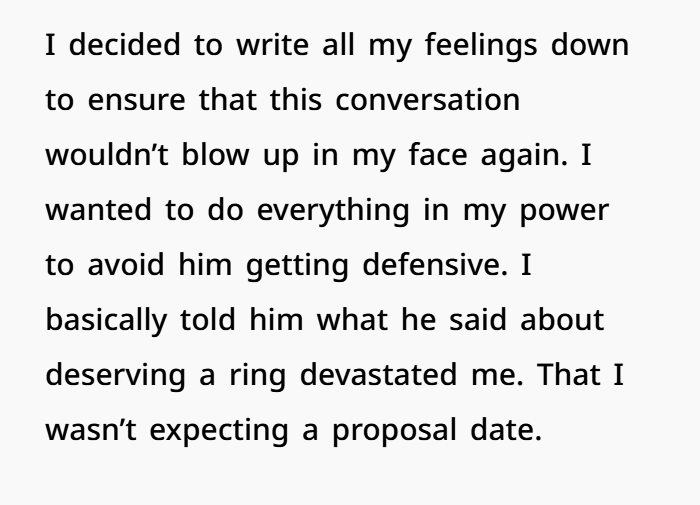
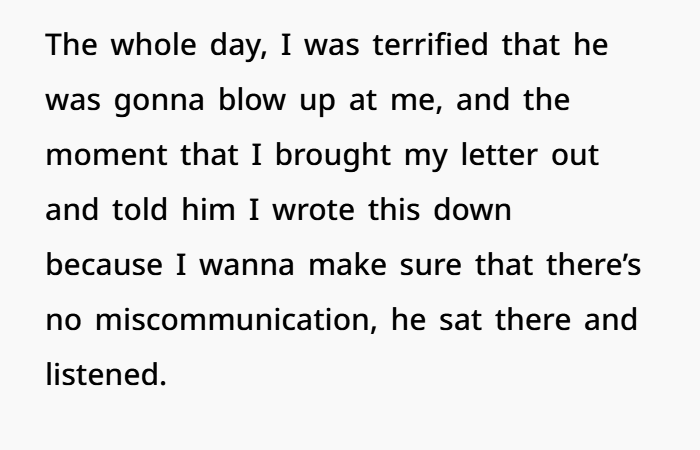
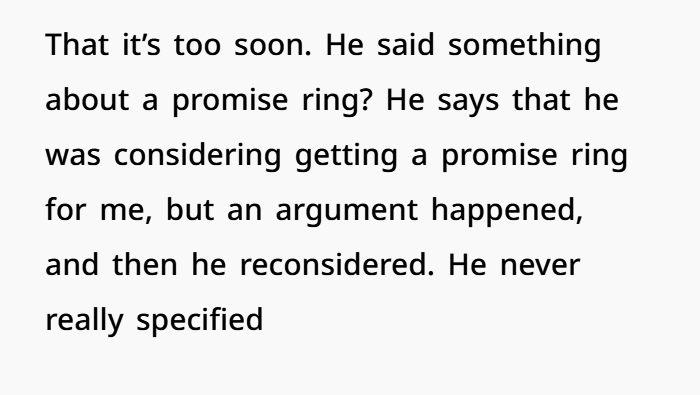
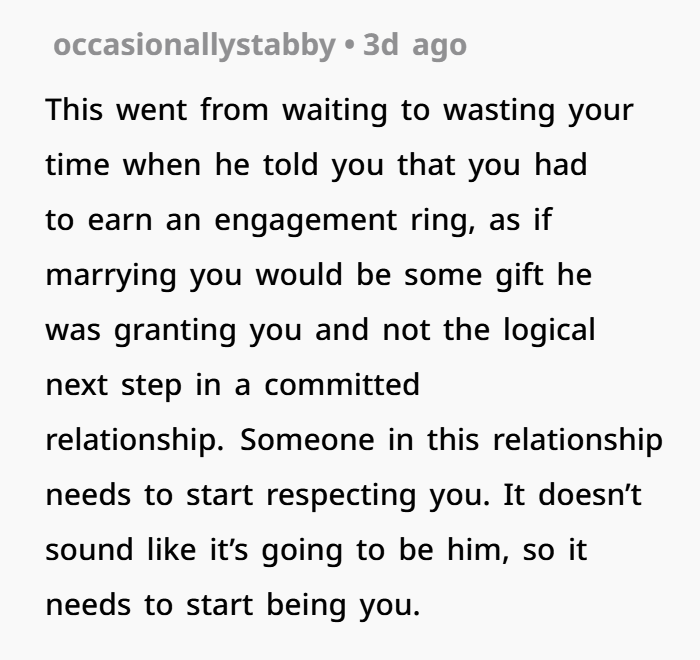
For some time, she dropped hints about marriage through lighthearted remarks and casual references. Eventually, she decided to initiate a genuine conversation about whether engagement aligned with his vision for their relationship. His response left her wounded. He suggested she would receive a ring only when she “deserved it”—a comment that made her question how he truly regards her and their bond.
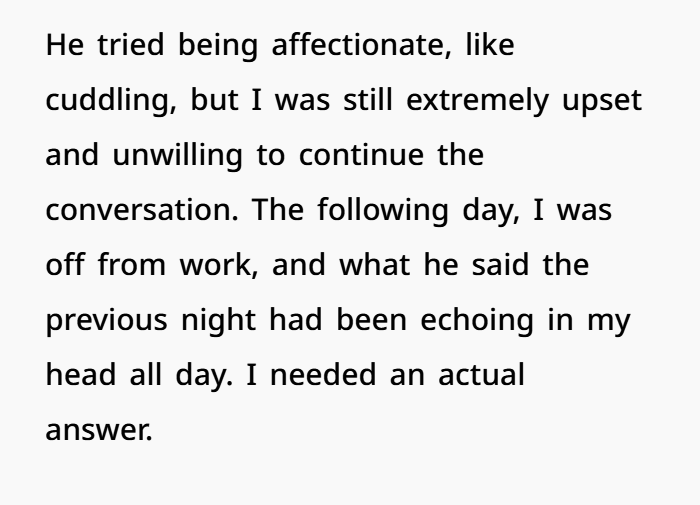
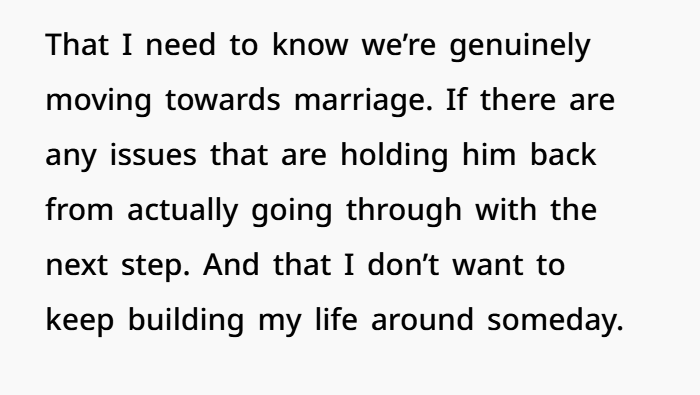
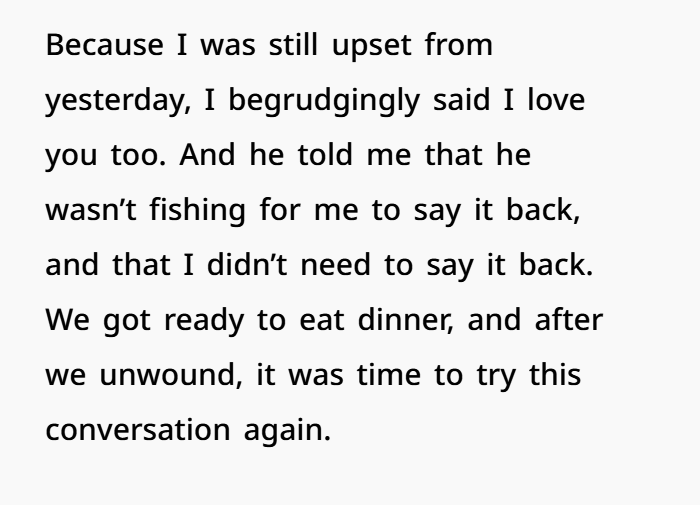
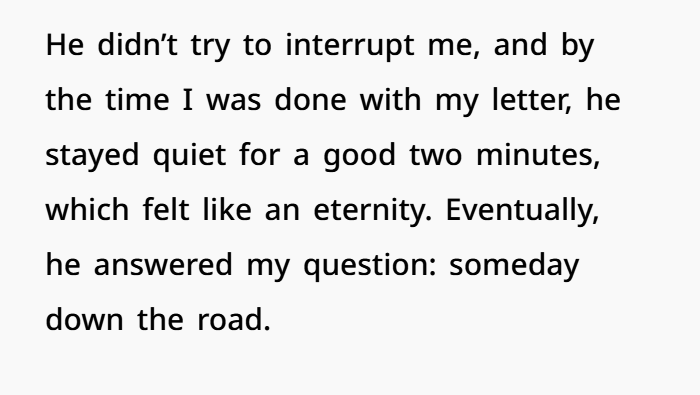
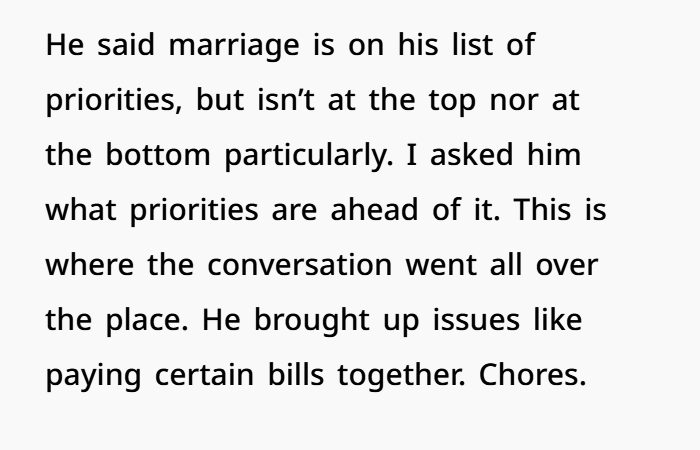
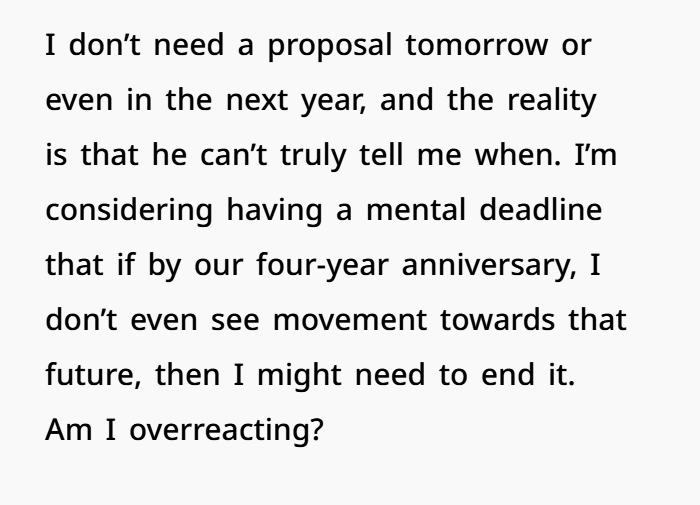
Upon reflection, she clarified that she wasn’t demanding an immediate engagement. She simply wanted confirmation that they were progressing toward compatible futures. Her boyfriend subsequently apologized, acknowledging his words had caused pain. He expressed that while he envisions marriage eventually, he’s reluctant to prioritize it due to financial worries, household management issues, and unresolved relationship problems.
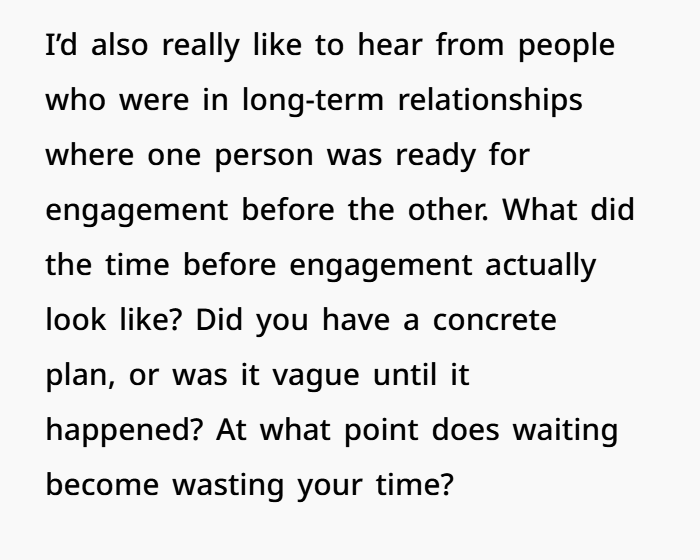
She now faces a critical decision about her path forward. She deeply cares for her partner but recognizes that a fulfilling partnership requires mutual understanding, aligned aspirations, and compatible timelines. Successful long-term relationships depend on genuine dialogue, mutual confidence, and coordinated life plans.



Relationship Progression and Individual Expectations
Relationships develop at different rates. Some couples rush into engagement while others need years to reach that point. Conflicts often stem from partners holding divergent views about when crucial relationship milestones should occur.
The core issue extends beyond timing alone. Both individuals must genuinely comprehend each other’s values, aspirations, and vision for their shared path ahead.
Distinguishing Between Progress Plans and Personal Limits
Marriage discussions require clarity on two distinct concepts.
A relationship’s progress plan is a dialogue regarding shared aspirations. It enables partners to articulate their dreams and outline the journey they want to undertake jointly.
A personal limit represents an internal boundary someone establishes. It may derive from their psychological well-being, personal milestones, or what constitutes fulfillment in their romantic life.
Thriving partnerships usually involve transparent discourse surrounding these matters rather than making assumptions.
How Uncertainty Creates Emotional Strain
Long-term relationships bring immense satisfaction, yet ambiguity about the future can generate anxiety.
When one partner feels prepared for marriage while the other hesitates, the prolonged uncertainty takes an emotional toll. The partner desiring greater commitment may begin questioning if they’re pursuing identical objectives.
Dedication manifests through more than declarations or affection. It shows through concrete discussions about critical topics including:
- Marriage objectives
- Budgeting and economics
- Housing decisions
- Parenthood desires
- Shared obligations
Engaging in these dialogues strengthens mutual comprehension.
The Value of Considerate Dialogue
Challenging conversations are inevitable in partnerships. Yet the manner in which couples navigate these exchanges significantly matters.
Comments made during conflict carry considerable weight. If someone suggests the other must “earn” affection, esteem, or devotion, it inflicts lasting damage.
Solid relationships flourish under conditions of reciprocal regard, where each person experiences genuine appreciation and encouragement.
Missteps occur regularly during tense exchanges. What counts is whether both individuals can hear each other out, acknowledge hurt, and collaborate toward improved understanding.
Examining Marriage From Different Perspectives
Marriage holds distinct meanings for different individuals. Some require completing benchmarks first—establishing financial security, professional accomplishment, or personal development.
Others feel prepared to commit sooner since they’ve already determined they envision eternal partnership.
Neither perspective is peculiar. The crucial element is ensuring complete awareness of each other’s requirements.
Friction arises when one person treats marriage as a definitive objective while the other views it as an eventual possibility without concrete planning.
Navigating Divergent Commitment Timelines
Countless couples successfully navigate conflicting perspectives regarding proposals and weddings through sincere communication.
Beneficial discussion points encompass:
- Are we both interested in marrying someday?
- What does dedication mean individually?
- What obstacles might we face?
- What can we accomplish collaboratively?
Meaningful exchanges cultivate confidence and circumvent miscommunication.
When Patience Turns Painful
Anticipating a ring or marriage commitment grows excruciating when both parties lack mutual understanding about intentions.
Frustration builds when someone remains uncertain if their significant other genuinely intends to establish a life together.
Conversely, certain individuals require extended periods before embracing such monumental choices. They might need extra time for mental, economic, or personal preparation.
Truthfulness about individual desires and relationship direction represents the cornerstone of healthy partnership.
Comments You Can’t Miss


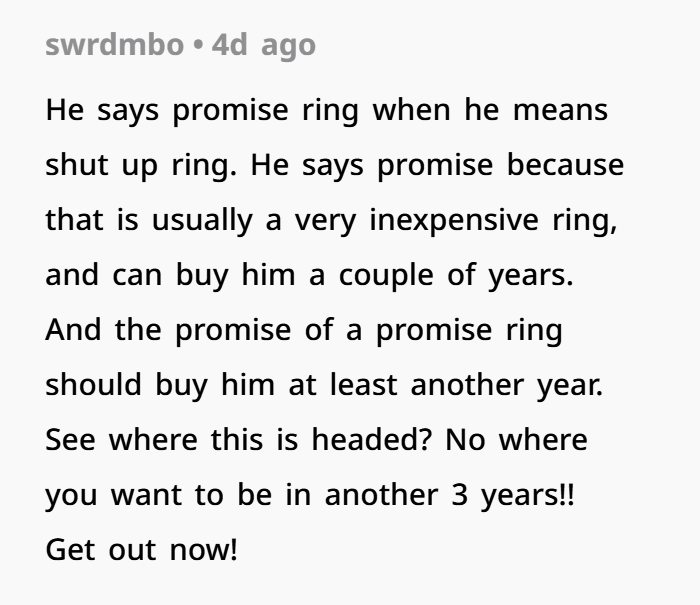




Each couple follows its own trajectory. There exists no universal formula dictating engagement or marriage timing.
What genuinely matters isn’t simply when a proposal happens. Rather, it’s whether both partners are thoughtfully making choices as a unit and advancing toward dreams they both value.
Resilient partnerships develop through confidence, transparent exchanges, and esteem. When two people discuss their ambitions and needs openly, they significantly enhance their likelihood of cultivating a meaningful and enduring connection.